The Scissors Test: Finding a UK Stylist Who Can Cut a Wig With Confidence
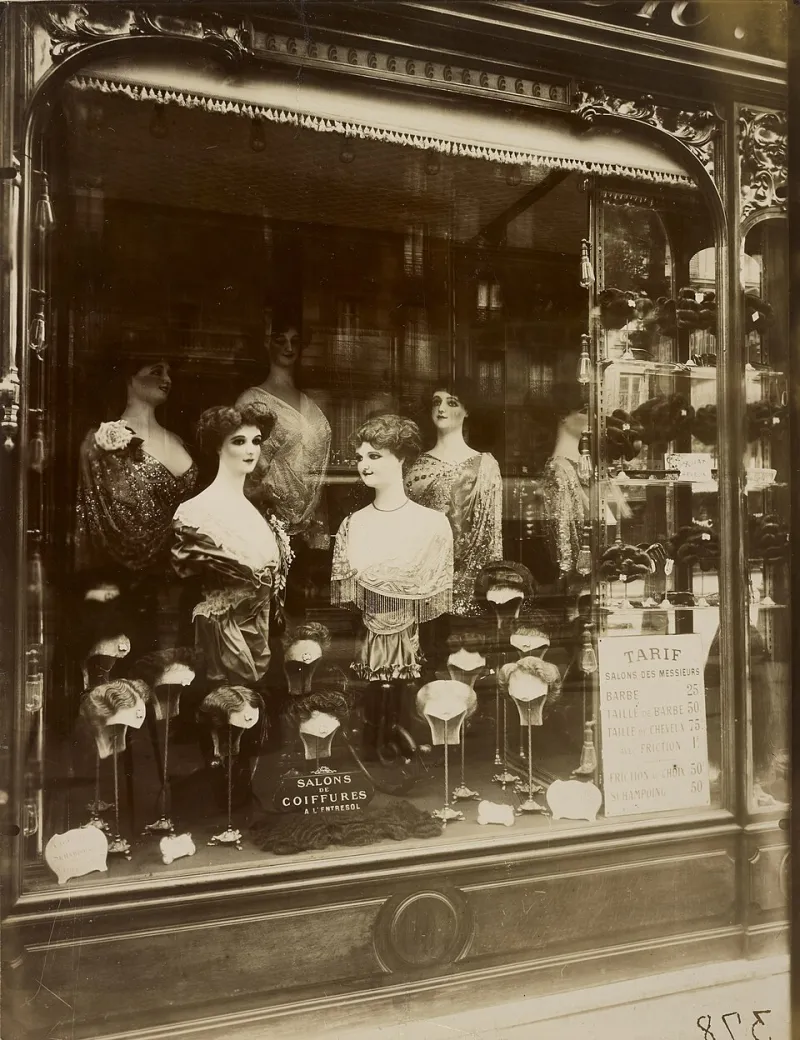
Photo: Eugène Atget, Public domain, via Wikimedia Commons
There is a moment with wigs that separates a good buy from a great one. It is not the unboxing. It is not the first tentative mirror check. It is the point when someone who knows what they are doing takes a pair of scissors to the fringe, softens the density and makes the whole thing sit as though it grew from your own head. That is the difference between wearing a wig and wearing a wig well.
In 2026, more UK salons are advertising wig services than ever. Some are brilliant. Some have added a line to the price list after a single online course. The trick is telling them apart before you hand over your wig and your confidence.
Why the cut changes everything
Most wigs do not arrive ready for real life. They arrive with a generous fringe, uniform density and a shape designed to look acceptable on a stand. On an actual person, that can read as bulky at the sides, heavy at the ends or oddly flat on top. A proper cut releases the shape. A good stylist will thin where the wig is dense, create face-framing points, adjust the fringe so it works with your brow and reshape the layers so the hair moves rather than hangs.
This is not the same as cutting natural hair. Wig hair does not grow back. Every snip is permanent, and synthetic fibres behave differently from human hair. That is why the right stylist is not simply a good hairdresser — they are a good hairdresser who understands the material in front of them.
Start with the salon, not the Instagram grid
A polished feed proves someone can style hair. It does not prove they can cut a lace-front wig on a block without carving a hole in the hairline. Look for salons that list wig cutting, wig shaping or wig styling as a separate service, not just an afterthought under extensions. Local wig shops are often the best source of recommendations: ask who they trust with their customers' wigs. UK wig support groups and forums can be useful too, provided you read for detail rather than drama.
When you call, listen to the receptionist. Do they know what a cap construction is? Can they tell you whether the salon cuts synthetic and human-hair wigs? Do they ask you to bring the wig in on a stand? A vague yes to everything is less reassuring than a careful 'it depends on the wig'.
Five questions to ask before you book
-
Do you cut wigs on a block or on the head? Most proper wig shaping happens on a canvas block or stand, not while you are wearing it. Cutting on the head can work for small trims, but a full restyle needs proper support.
-
How do you work with synthetic versus human hair? Synthetic hair has memory. A stylist who treats it like human hair may use too much heat or cut in a way that cannot be corrected. Ask how they manage heat, tension and blunt lines.
-
Have you worked with my cap construction? A lace front, a monofilament top and a basic wefted cap all behave differently. You want someone who has handled your type before, not someone learning on your best wig.
-
What does the consultation include? A good answer involves looking at the wig, discussing your face shape, lifestyle and routine, and agreeing what can realistically be achieved. It should not be a thirty-second glance and a shrug.
-
Can I see examples of wigs you have cut, not just styled? Ask specifically about cutting and reshaping. Styling photos can hide a lot of sins. A before-and-after of a fringe or a thinned-out crown tells you far more.
What a proper consultation looks like
You should expect questions. How often will you wear the wig? Do you want it to look natural enough for the school run, or are you after something more polished for evenings? Do you use heat tools? Are you comfortable with a fringe, or do you prefer it out of your eyes? A good stylist will also examine the cap, check the hairline, feel the density and explain what the hair will and will not do.
They should be honest about limits. If a synthetic wig cannot take the sleek blow-dry you have saved on your phone, they should say so. If the density is too heavy to achieve a sharp bob, they should explain the trade-off. That kind of honesty is worth more than a salon that promises everything and delivers a wig that looks like a helmet.
Red flags to watch for
Be wary of any stylist who wants to cut a full restyle while the wig is on your head and unclamped. Be equally cautious of the salon that says 'we can do anything' without asking about the cap or fibre. Other warning signs: no block or stand in sight, a rushed consultation, a refusal to show wig-specific work, and an eagerness to use high heat on synthetic hair without testing first. If someone starts thinning aggressively without checking how the wig falls, stop them. Wig hair does not forgive a heavy hand.
Briefing your stylist like a pro
Bring your wig on a stand and, if you have one, a photo of yourself in it. Save three reference images: one for the fringe, one for the overall shape and one for the density you like. Be specific. 'Shorter and nicer' is not a brief. 'I want the fringe to sit just above my brow, the sides softened so they do not box out my cheeks, and the crown less bulky' is.
Ask for small changes first if you are nervous. A fringe trim and a light thinning can transform a wig without risking the whole shape. And take photos from the front, side and back before you leave, so you can see what you are working with in different light.
The confidence bit
The right stylist does more than cut hair. They make the wig feel like yours. That is why it is worth asking awkward questions, waiting for the right appointment and travelling a little further if you have to. A wig that has been properly shaped sits better, moves better and draws fewer second glances for the wrong reasons. And that is the whole point: not a wig that announces itself, but a look that lets you get on with your day.
If you are booking your first wig cut in 2026, go slowly. Ask for evidence. Trust the stylist who talks about cap construction and fibre rather than the one who only talks about transformation. Your wig will thank you, and so will your mirror.