130% or 180%? How Wig Density Changes Everything From Your Desk to Your Dinner Reservation
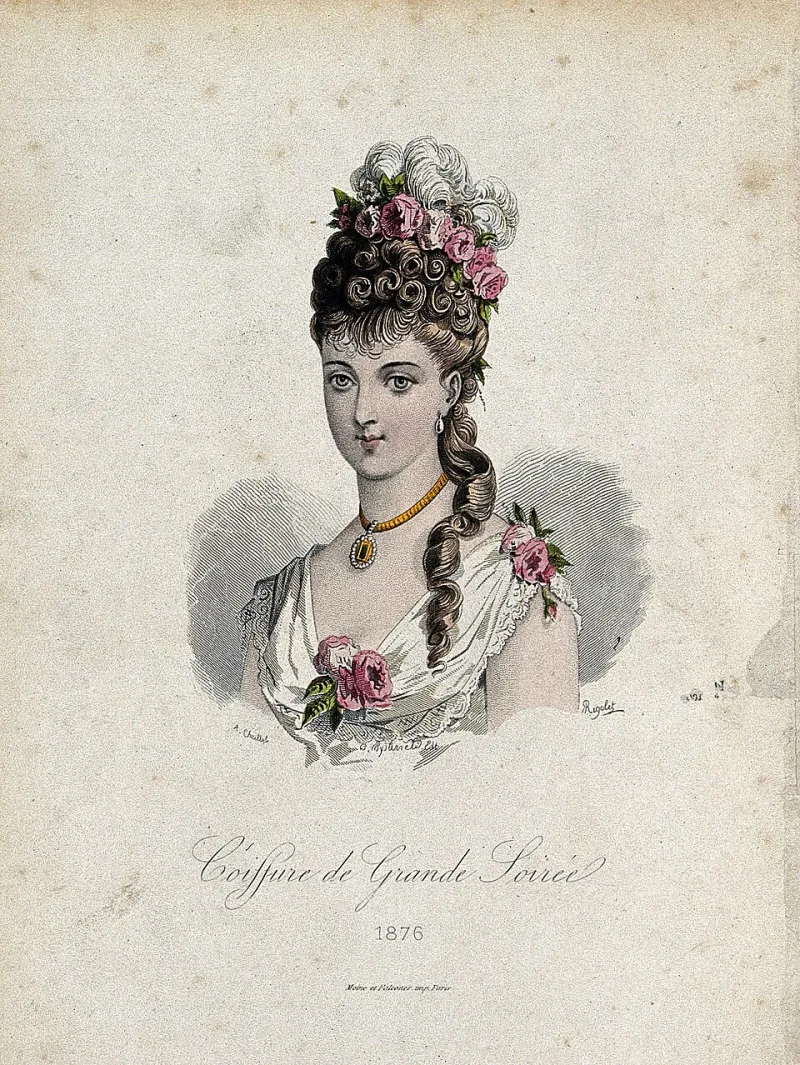
Photo: Unknown, CC BY 4.0, via Wikimedia Commons
Wig density is one of those specs that looks technical and then turns out to be very personal. In simple terms, it is the amount of hair packed into the cap, usually shown as a percentage: 130%, 150%, 180% and sometimes higher. The percentage is a guide, not a universal law, because brands build caps differently. But it is still useful. It tells you whether you are buying a light, swingy piece that behaves like fine hair, or a fuller unit that holds a big style and has more weight behind it.
The Number Is Not a Quality Score
A common mistake in 2026 is reading density as a ranking. It is not. A 180% wig is not automatically better than a 150% wig. It is simply more hair. That means more volume, more weight, more warmth and usually more styling opportunity. It also means more product can sit in the hair, more air can be trapped near the scalp and more pressure can build at the temples and nape by late afternoon. If you want an everyday wig that feels light on a busy UK high street, a lower density can be the more expensive-looking choice.
What 130%, 150% and 180% Feel Like
Think of 130% as fine-to-medium hair. It moves easily, sits close to the head and looks natural in daylight. It is a strong match if your own hair is fine, if you want a sleek bob or a pixie, or if you wear glasses and want less bulk around the ears. A 150% wig is the middle ground many shoppers settle on: enough coverage to feel polished, enough movement to avoid that solid-helmet look, but not so much that you feel you are wearing a cushion on your head. A 180% wig is fuller. It is brilliant for big curls, dramatic blowouts and party looks that need to hold shape under lights. It can also be heavy, warm and a little more demanding to style discreetly for the office.
The High Street Versus the Photograph
Photographs flatter density. Ring lights, soft filters and a flattering angle can make 180% look like the obvious choice. In real life, British daylight is less generous. On a grey November commute, under office strip lighting or in the mirror of a cafe loo, a very dense wig can read as heavier and more styled than you expected. That does not make it wrong. It just means you should buy for the life you actually live, not only for the photo you plan to take. If most of your week is school run, desk, supermarket and pub, a 150% wig will often look more effortless than a 180% unit that needs constant thinning and taming.
Fine Hair, Sleek Bobs and Curly Styles
For fine hair, start lower. A 130% or 150% density gives the illusion of healthy hair without adding a bulky outline. For a sleek bob, lower density is usually more convincing because the shape depends on a clean line, not volume. Curly and wavy styles can carry more density because the texture creates space and movement. A 180% curly wig can look amazing, but check the cap size and the weight. If you have a sensitive scalp, a heavier unit may become a four o'clock headache rather than a confidence boost.
Weight, Heat and the Four O'Clock Problem
Density affects weight, and weight affects comfort. More hair means more grams, more pull at the front hairline and more warmth around the neck. In a British winter, that warmth can feel cosy for ten minutes and oppressive in a centrally heated office by mid-afternoon. If you overheat easily, look for a lighter density and a breathable cap. If you are going to a cold-weather event and want a full look, a denser unit can work, but plan for breaks and keep a lightweight alternative for the journey home.
Ask About Grams as Well as Percentages
This is where the title comes in. Percentages are helpful, but grams give you a more concrete idea of what you are lifting onto your head. Ask the retailer for the approximate hair weight, the cap size and the fibre type. Two 150% wigs can feel very different if one is made with a denser knotting pattern or a heavier cap. A good wig seller will not mind the question. A vague answer is useful information too.
The 2026 Buying Checklist
Before you buy, decide the job the wig has to do. Is it for everyday wear, a wedding, a Christmas do or photos? Match the density to that job. Check the return policy, especially if you are buying online. Read the cap construction notes. Look for real customer photos in daylight, not only studio shots. And be honest about how much styling you will actually do. If you want to shake it on and go, a mid-density wig is usually your friend.
Density is not about having the most hair. It is about having the right amount for the look, the weather and the way you want to feel. Get that right and the wig stops being a technical purchase and starts being your best everyday accessory.